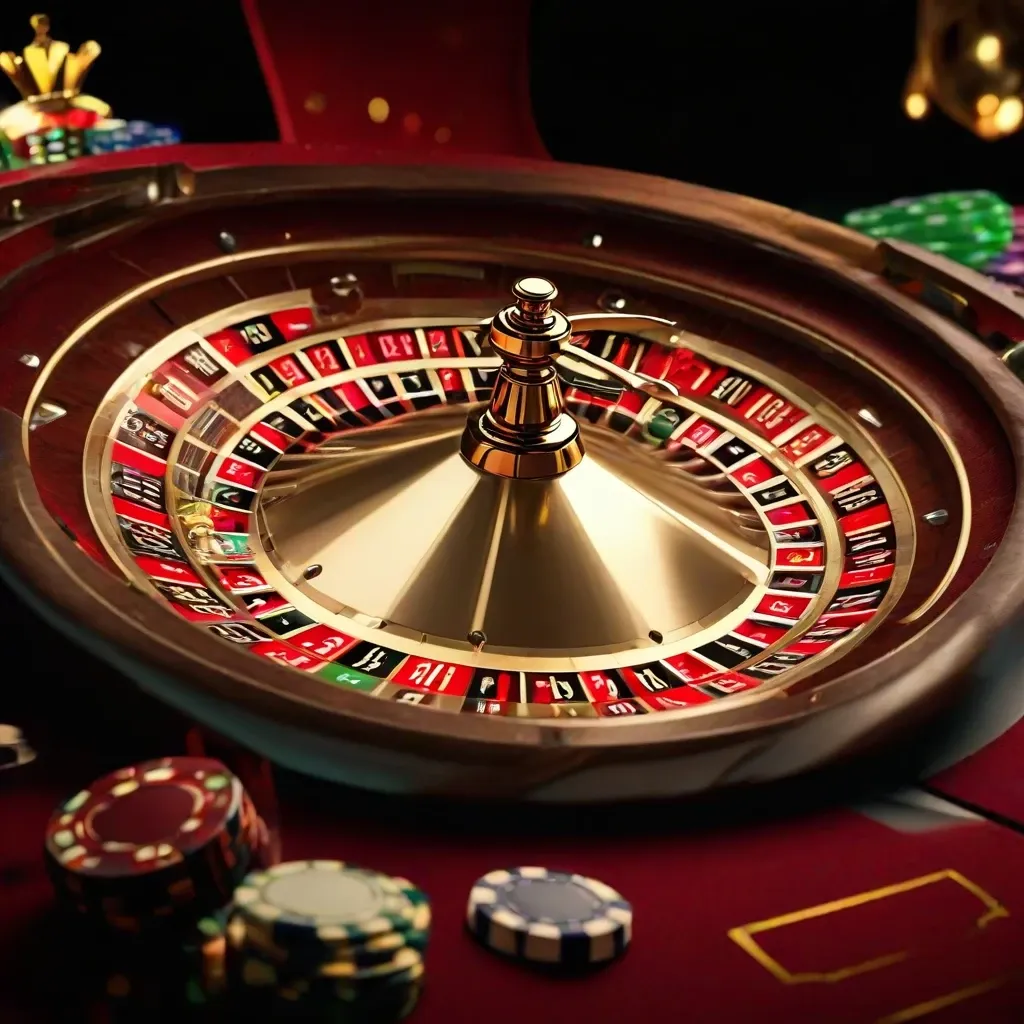
Roulette’s spinning wheel or Blackjack’s strategic face-off? This is the question many casino players grapple with. Both games offer thrills and the potential for big wins, but they cater to different styles of play. Roulette beckons with its mesmerizing randomness, promising instant fortunes with a single spin. Blackjack, on the other hand, whispers of skillful play, where calculated decisions supposedly tip the odds in your favor.
Choosing between these two iconic casino games isn’t always easy. This expert guide cuts through the noise, weighing the pros and cons to empower you to make an informed decision. Forget relying on gut feelings. Discover which game aligns with your personality, risk tolerance, and desire for control. It’s time to settle the Roulette vs. Blackjack debate once and for all.
Roulette: A Spin Through the Basics
Roulette, a casino game of chance, revolves around a spinning wheel and a small ball. Players place bets on where they think the ball will land. Grasping the rules, betting options, and variations is key to enjoying the game. From classic European Roulette to the American version, understanding the nuances can enhance the thrill. The core gameplay involves predicting which numbered pocket the ball will settle into after the wheel stops spinning. Players place their chips on the corresponding numbers or sections on the betting table. Knowledge of roulette odds is helpful to place wise bets. From straight bets with high payouts to safer bets, players may enjoy the exciting world of roulette.
Roulette offers a wide array of betting opportunities. “Inside bets” focus on specific numbers or small groups of numbers, offering higher payouts but lower odds of winning. Conversely, “outside bets” cover larger sections of the table, such as red or black, odd or even, and offer lower payouts but higher probabilities. For instance, a straight-up bet on a single number offers a significant payout, while betting on red or black provides a near 50/50 chance of winning (minus the house edge). The European and American versions of roulette have some differences, which impacts the house edge.
Understanding the Wheel and Table Layout
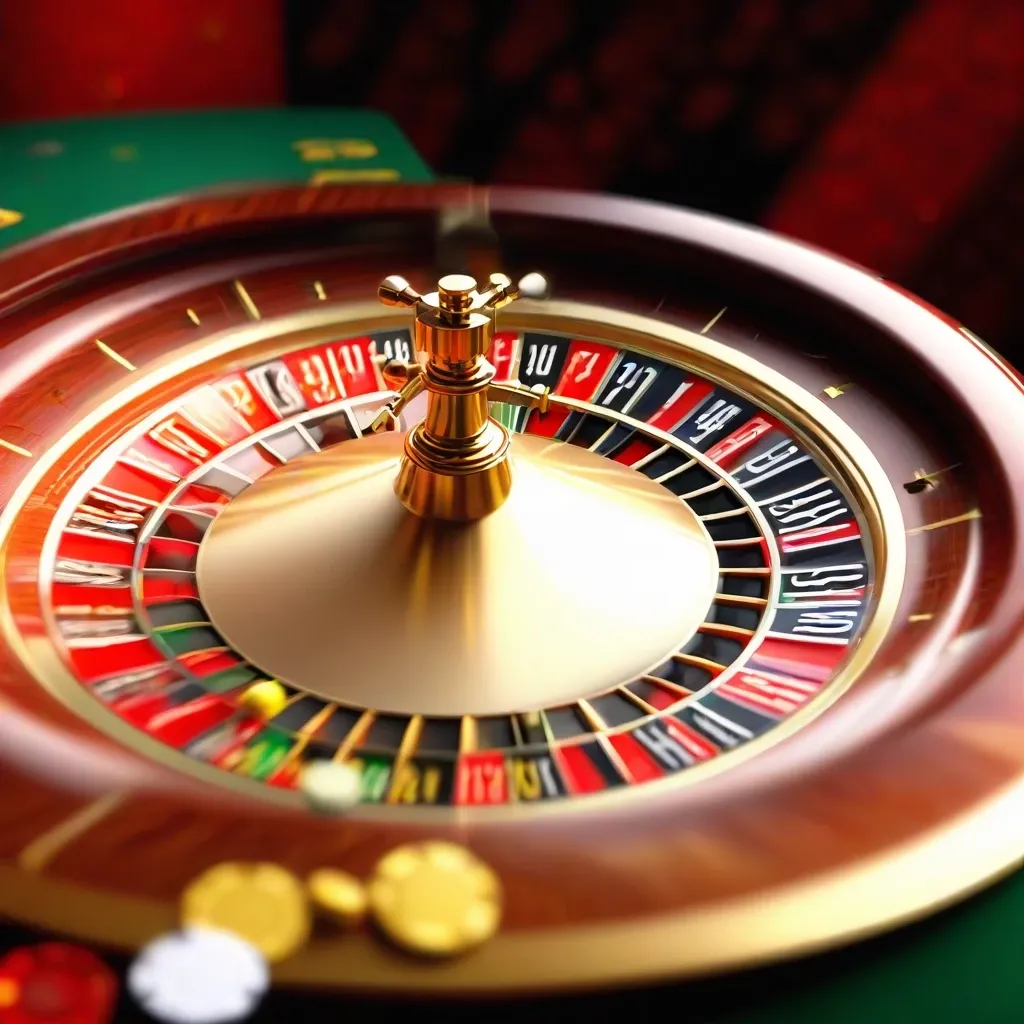
The roulette wheel features numbered pockets, alternately colored red and black, with one or two green pockets (depending on the variation). The European wheel has numbers 1 to 36 and a single zero (0), while the American wheel includes numbers 1 to 36 and both a single zero (0) and a double zero (00). The roulette table mirrors the wheel, with corresponding numbered sections for players to place their bets. The layout is divided into inside and outside betting areas, each offering different types of wagers.
Types of Bets and Their Payouts
Roulette bets are typically categorized as inside or outside bets. Inside bets focus on specific numbers, such as a “straight up” bet on a single number, paying out handsomely. Other inside bets include split bets (two numbers), street bets (three numbers), corner bets (four numbers), and line bets (six numbers), each with varying payout ratios. Outside bets cover broader categories, such as betting on “red” or “black,” “odd” or “even,” or sections like 1-18 or 19-36. These bets offer lower payouts but a higher probability of winning. Payouts can range from even money (1:1) for outside bets to 35:1 for a straight-up bet.
Blackjack: Mastering the Art of 21
Blackjack, also known as 21, is a thrilling casino game where players compete against the dealer to get a high hand without exceeding 21. The core objective is simple: beat the dealer’s hand without going “bust,” which means exceeding 21. It’s a game of strategy, quick decisions, and a dash of luck. Players need to weigh their options carefully, considering the cards they hold and the dealer’s visible card. Mastering Blackjack involves understanding the rules, learning when to hit or stand, and employing proven strategies to tip the odds in one’s favor.
Basic Rules and Gameplay
A Blackjack hand begins with the player placing a bet. Then, both the player and the dealer receive two cards. The player’s cards are dealt face up, while the dealer has one card face up and one card face down (the “hole card”). Card values are straightforward: numbered cards are worth their face value, face cards (Jack, Queen, King) are worth 10, and an Ace can be worth either 1 or 11. The goal is to have a hand value higher than the dealer’s without exceeding 21. If a player’s hand exceeds 21, they automatically lose, regardless of the dealer’s hand. Similarly, if the dealer’s hand exceeds 21, the player wins, provided their hand does not exceed 21. The winner is determined by comparing the final hand values once all players have made their decisions.
Key Decisions: Hit, Stand, Double Down, Split
During a Blackjack game, players face several crucial decisions that greatly influence the outcome. To “hit” means to take another card, hoping to improve the hand’s value. Players typically choose to hit when their hand is low and they believe another card will bring them closer to 21 without busting. To “stand” means to stop taking cards, content with the current hand. This decision is usually made when the player has a strong hand and wants to avoid the risk of exceeding 21. “Doubling down” allows a player to double their initial bet in exchange for receiving only one additional card. This move is often chosen when a player has a favorable hand, like a hard 11. “Splitting” is an option when a player has two cards of the same value. They can split the pair into two separate hands, each requiring an additional bet equal to the original wager. Finally, “surrendering,” when available, lets a player forfeit half of their bet and end the hand immediately. These are strategic moves designed to minimize losses or maximize potential winnings.
The House Edge: What You Need to Know
The “house edge” represents the casino’s inherent advantage in any game. It’s the mathematical guarantee that, over the long run, the casino will profit from players’ wagers. Simply put, it’s the difference between the true odds of winning and the odds the casino pays out. Understanding the house edge is crucial for anyone looking to engage with casino games, as it directly impacts your chances of long-term profitability. The higher the house edge, the more money the casino expects to win from you over time. Conversely, a lower house edge gives you a better chance of extending your playtime and potentially walking away with winnings. This knowledge empowers you to make informed decisions about which games to play and how to manage your bankroll.
Both Roulette and Blackjack have a house edge, but its impact and how it manifests are different. In Roulette, the house edge is relatively fixed, depending on the variant of the game. Blackjack, on the other hand, is more nuanced. Strategic play, through the use of “basic strategy,” can significantly reduce the house edge, making it a more favorable game for skilled players compared to games based purely on luck.
House Edge in Roulette: A Breakdown
The Roulette house edge depends entirely on the wheel layout. European Roulette, featuring a single zero, has a house edge of approximately 2.7%. This means that, on average, the casino expects to win $2.70 for every $100 wagered. American Roulette, with its additional double zero, nearly doubles the house edge to 5.26%. This difference stems directly from the extra slot on the wheel, diluting the odds of winning on any single number bet. Common bets like red/black, odd/even, and high/low all share the same house edge within a given Roulette variation. Bets with different odds like corner or straight up will adhere to either the 2.7% or 5.26% edge depending on the wheel. Therefore it is essential to understand these odds.
House Edge in Blackjack: Skill vs. Luck
The Blackjack house edge is more dynamic than Roulette’s. While casinos often advertise a low house edge (around 1%), this figure is highly dependent on the player’s skill. Employing a sound Blackjack basic strategy, which dictates the optimal play in every situation, is essential to achieving this low edge. Suboptimal play, such as making incorrect hit/stand decisions, can significantly increase the house edge in favor of the casino. It is important to point out the importance of skill over luck in this game. While card counting can further reduce the house edge, and even swing it in the player’s favor, it’s often frowned upon by casinos and may result in being asked to leave. It’s very important to become as skilled as possible in this game.
Strategy Showdown: Maximizing Your Chances
Roulette Betting Systems: Fact vs. Fiction
Many roulette players seek an edge through betting systems, but it’s crucial to separate wishful thinking from reality. Take the Martingale system, for example. It suggests doubling your bet after each loss, aiming to recover all previous losses with a single win. While it might seem foolproof, the Martingale, along with the Fibonacci and D’Alembert systems, stumbles against table limits. Casinos impose these limits precisely to thwart such strategies. More important, these systems significantly increase the risks. While you may have minor success in the short term, they can lead to rapid and substantial losses. Because they rely on increasing bet sizes after losses, they inflate potential losses and increase risks instead of decreasing them. The key to keep in mind is that betting systems add no advantage, instead they might add excitement and risk.
Blackjack Basic Strategy: A Proven Approach
Blackjack offers a more strategic path to potentially improving your odds through ‘Basic strategy’. Blackjack basic strategy is a data-driven approach that dictates the optimal action – whether to hit, stand, split, or double down – based on your hand and the dealer’s upcard. It is a set of guidelines that you have to follow. Using a basic strategy chart is essential; it precisely outlines the correct play for every possible scenario. By consistently adhering to basic strategy, players can demonstrably reduce the house edge, increasing their chances of winning over the long term. Learning and mastering this chart is not just recommended; it’s the bedrock of informed Blackjack play.
The Thrill Factor: Which Game is More Exciting?
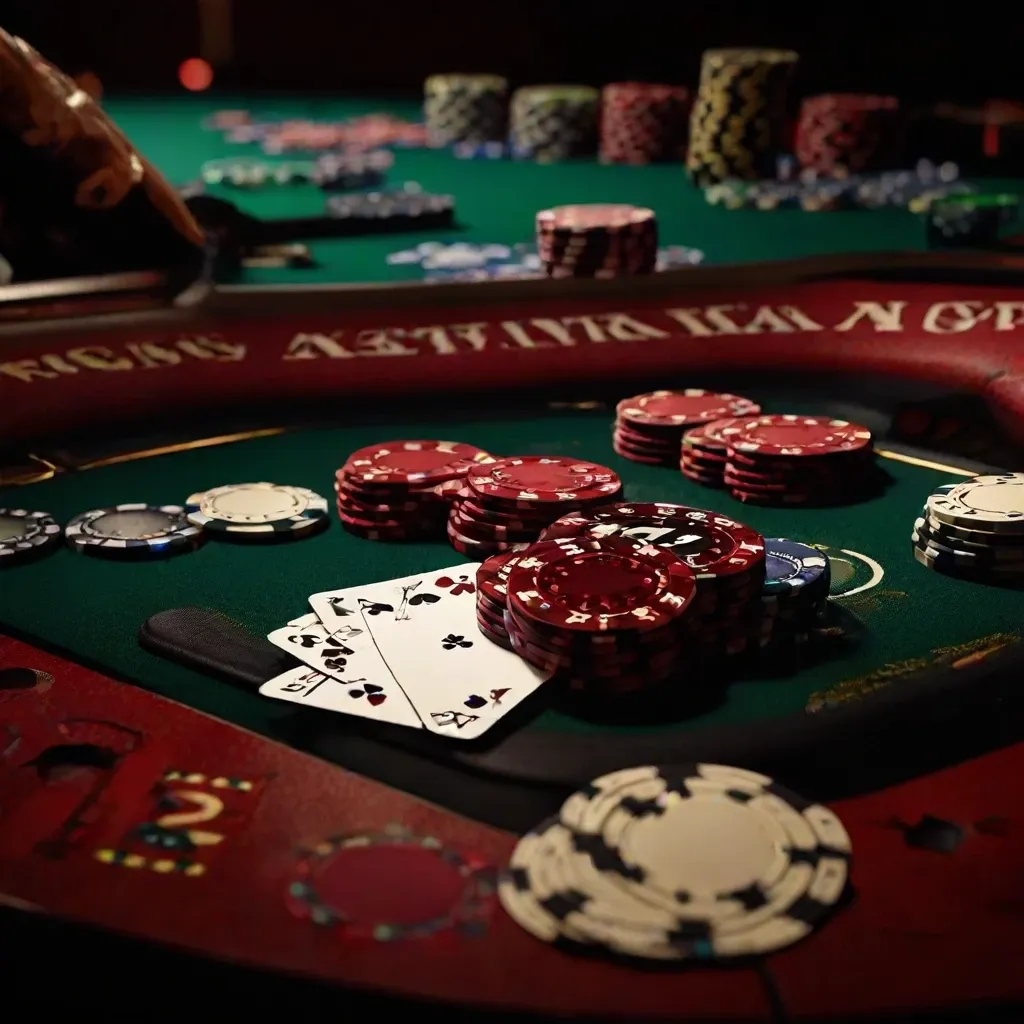
The casino floor hums with anticipation, a symphony of clinking chips and excited chatter. At the heart of this exhilarating environment sit two iconic games: Roulette and Blackjack. While both offer the allure of potential winnings, the psychological and emotional experiences they provide are vastly different. Roulette delivers a raw, visceral thrill, fueled by the sheer unpredictability of the spinning wheel. Each bounce of the ball elicits a surge of adrenaline, a collective holding of breath as fate teases its outcome. This immediate gratification, the possibility of a substantial payout on a single spin, appeals to those who relish in the spontaneous excitement of pure chance.
Blackjack, on the other hand, offers a more cerebral form of excitement. The tension here arises not from blind luck, but from calculated decisions. Players analyze the dealer’s upcard, weigh the odds, and meticulously plan their next move. This strategic element engages the mind, offering a sense of control and accomplishment when a well-executed play leads to victory. The thrill in Blackjack is a slow burn, a gradual building of anticipation as players navigate the intricacies of the game, honing their skills and striving for optimal results. The type of gambler will define what type of game the gambler will bet.
Ultimately, the “more exciting” game is a matter of personal preference. Those drawn to the energy of a crowd, the immediacy of chance, and the allure of a potentially massive payout might find Roulette more appealing. Conversely, individuals who enjoy problem-solving, strategic thinking, and the feeling of influencing their destiny may gravitate towards the intellectual challenge of Blackjack. Both games tap into fundamental human desires: the desire for excitement, the thrill of risk, and the satisfaction of winning.
Do You Prefer Chance or Skill?
Roulette, a game of pure chance, captivates players with it is unpredictable nature and the possibility of large, sudden wins. The suspense builds with every spin, offering an instant reward. Blackjack instead, which is a strategy-based game, relies on using skill, is more attractive for gamblers. These gamblers obtain rewards by using the correct basic strategy.
Social interaction while playing
The roulette table is often an open and sociable space where people crowd around, enjoying the communal suspense of each spin. On the other hand, Blackjack tends to be more individualistic. Each gambler tends to focus on the hand and less likely to interact with others.
Expert Insights: Making The Right Choice for You
Consider your risk appetite and preferred level of interaction
Roulette and Blackjack offer distinct casino experiences. Roulette, often a social game, attracts players who enjoy the thrill of chance and the camaraderie around the table. Bets are placed, the wheel spins, and anticipation fills the air as onlookers share in the excitement. Blackjack, conversely, tends to be a more individual pursuit. Though seated at a table, players are primarily focused on their own hand and employing the Blackjack basic strategy to increase their odds. The level of interaction is typically lower compared to the lively atmosphere of a Roulette game.
Ultimately, the choice between Roulette and Blackjack hinges on individual preferences. If a high degree of skill, strategy, understanding of the game, and risk mitigation are your priorities, Blackjack may be the better fit. For those who prefer a simpler game with more chance, Roulette is an option. Furthermore, the social aspect of Roulette may appeal to players who enjoy the communal energy of a casino environment, while Blackjack caters to those who favor a more focused and strategic gaming experience. Evaluate your preferred level of risk, tolerance, and interaction to ensure an informed decison.